The Cheat Code of the Attention Economy
What Coke, Starbucks, and Elizabeth I understood long before social media
In the 1980s, Pepsi did something bold 🥤
They set up blind taste tests in shopping centres across the U.S.
No logos. No cans. Just two unlabelled cups.
And again and again, people chose Pepsi.
Sweeter. Smoother.
Cup after cup, Pepsi came out on top.
The campaign was called The Pepsi Challenge and on paper, it should have changed everything.
But it didn’t.
Despite losing the taste test, Coke still dominated the market.
It still outsold Pepsi.
It still became the default soft drink of the world.
Why?
Because people don’t buy products.
They buy meaning 🧠
What the Pepsi Challenge Missed
The Pepsi Challenge focused on taste.
But that’s not how people experience Coke.
People don’t drink Coke on its own. They drink it with everything they already associate with it.
One of the clearest examples of that is Christmas 🎄
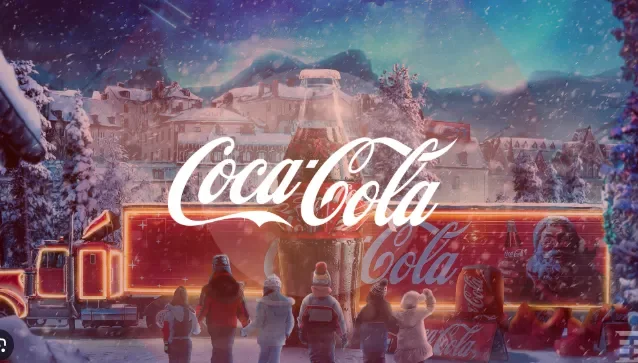
For decades, Coke has run Christmas adverts that look and feel the same each year. The colours. The music. The mood.
You recognise them instantly.
You don’t analyse them.
They just feel like Christmas.
And when that feeling shows up, Coke is already there.
That’s branding.
When a Brand Becomes the Default 🧠
We see this beyond soft drinks.
Take Hoover.
It’s a brand name, but it became the word people use for the thing itself.
You don’t vacuum the floor.
You hoover it.
When a brand becomes the default, it stops competing on features. It lives in people’s heads.
That’s real brand power.
From Cola to Coffee ☕
Starbucks works the same way.
Is it the best coffee in the world? No.
Is it better than many local cafés? Often not.
But it costs more and people pay it.
Because Starbucks doesn’t just sell coffee.
It sells what the coffee signals.
Consistency.
Familiarity.
And for some, status.
Holding the cup says something, even if no one says it out loud.
Personal Branding Isn’t New 👑
This didn’t start with social media.
Elizabeth I, born in 1533, understood this instinctively.
She ruled in a time when women were expected to gain power through marriage. She chose a different path.
Instead, she was deliberate about image and symbolism. The portraits. The crown. The idea of the Virgin Queen.
It was a clear narrative, repeated consistently.
Why Musicians Get This 🎤
Musicians have always understood this.
The ones with the longest careers know how to evolve their personal brand.
They do not stay stuck in one version of themselves.
Look at Snoop Dogg.
He started as a West Coast gangster rapper.
Today, he is a global brand, business owner, TV personality, and Olympic ambassador.
Same person.
Different narrative.
That change was intentional.
Why This Matters Now 📱
We live in the attention economy.
Whether you are building a business or building a career, you already have a personal brand.
It is what people think of when your name comes up.
It shapes who trusts you.
It shapes what opportunities come your way.
And here is the part people do not always like to say out loud.
A strong personal brand often leads to more money 💰
Not because it is fair.
Not because it is right.
But because it is how the system works.
The difference between two similar businesses is often brand.
The difference between two similar careers is often perception.
One gets chosen more.
One gets paid more.
One gets trusted faster.
The Real Lesson of the Pepsi Challenge
Coke did not win because it tasted better.
It won because it’s familiar.
And in a crowded world, familiarity matters.
Your personal brand is not ego.
It is leverage 🔑
It is the cheat code of the attention economy.
Looking Ahead 🚀
As we move toward 2026, one question is worth sitting with.
What do people associate with your name and did you choose that on purpose?
You do not have to accept the narrative you have been given.
You can refine it.
You can evolve it.
You can define it.
If you want help understanding your personal brand, and how to use it to move your career or business forward, feel free to get in touch.
Toyosi